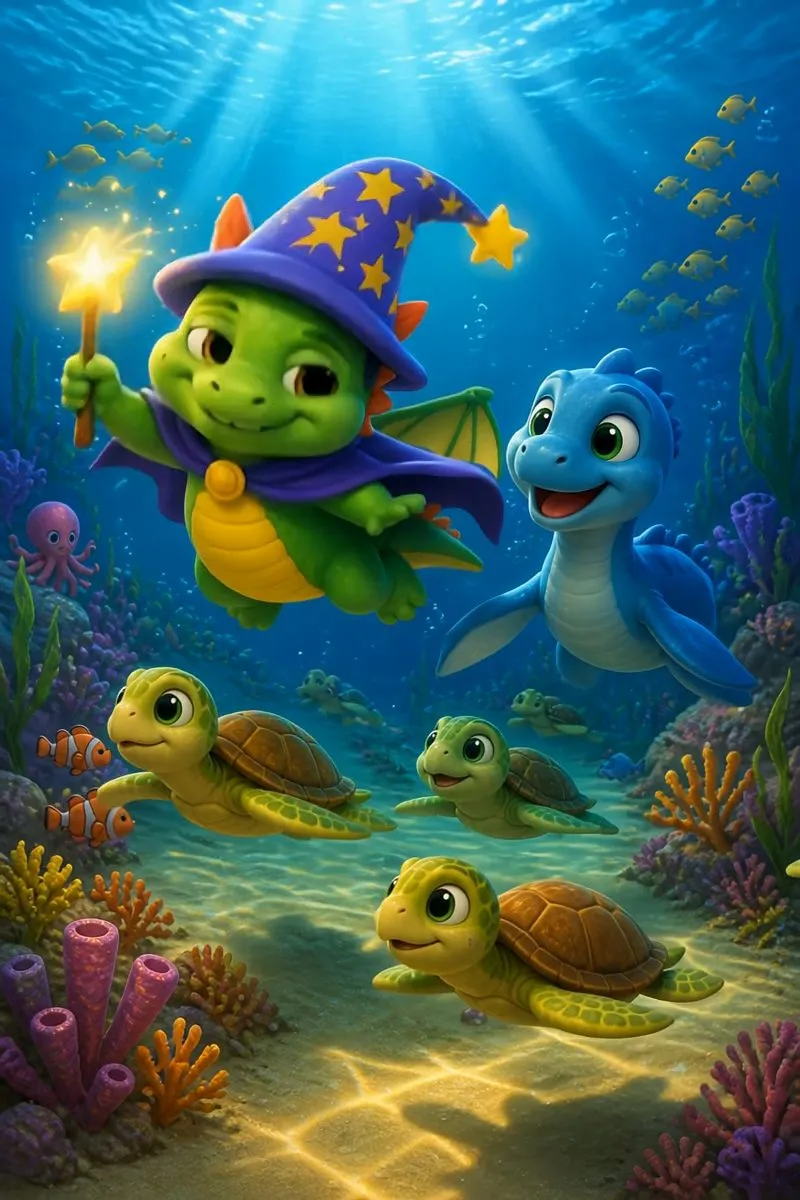
The first time a small child hears their own name sung back at them, they stop moving. It is one of the more reliable things in early childhood, and any parent who has ever swapped “Old MacDonald” for “Old Sidd Had a Farm” already knows it.
I do not have a tidy scientific explanation and I am not going to invent one. What I can tell you is what it looks like from the outside, and what to do with it.
What actually happens
A name is the first word a child owns. It is the word that means you are being spoken to — the one that cuts through a noisy room, the one that arrives before “please” or “no”. So when it turns up somewhere it has never been before, inside a song, the child does the obvious thing: they listen harder.
That extra attention is the whole opportunity. For about two minutes, a child who normally hears songs as background is actively listening to the words. Whatever you put next to their name gets carried in with it.
Put one small thing next to the name
The mistake is to waste the attention. A song that is only “Sidd, Sidd, Sidd is great” is delightful once and then it is nothing.
Put exactly one thing in it:
- A habit. Brushing teeth. Putting shoes by the door. Washing hands before dinner.
- A value. Taking turns. Saying sorry and meaning it. Asking before you take.
- A feeling. What being cross feels like and what to do about it.
- A fact. Six sea animals. The days of the week. Counting to ten.
One. A song that teaches three things teaches none, because a four-year-old will remember the chorus and nothing else. The chorus is your entire budget — spend it on the one thing you want them singing in the car on Thursday.
Songs beat instructions for habits
You can tell a child to put their shoes away eleven times. Or the shoes-away song can exist, and you can start humming it in the hallway.
The difference is that a song is not a command, so it does not invite a negotiation. Nobody argues with a tune. It also survives you: a child sings it to themselves in the bath, which is a kind of practice you could not have asked for.
This is why our song wizard starts by asking what the song is for — a habit, a value, a feeling, a special day, or a lullaby — and then asks, in your own words, what it should teach. The style sets the flavour; the sentence you type is the actual message.
Their name, and their character
There is a second thing that does what a name does, and it stacks: a character the child already loves.
If the same green dragon who was in last night’s story is now singing about brushing teeth, the song arrives with a relationship already attached. It is not a stranger telling your child what to do. That is the reason Dinomy is built around one character your family makes, rather than a cast of house mascots — the character travels across everything, so the attention you earned in a story is still there in a song.
Worth saying plainly, because parents ask: the child is never drawn. The character your family made is the one on screen, and your child is in the song by name.
Length, and the car test
Sixty seconds is a surprisingly good length. Two minutes is the sweet spot for a car journey. Three minutes is a bedtime song or a proper little production, and it is longer than most four-year-olds will sit still for unless they are strapped in.
The car test is the honest one: if it survives three plays on the way to nursery without either of you minding, it is a good song. If you are quietly turning it down by the second chorus, it was too clever.
Make it singable, not impressive
A few things that make a children’s song stick, all of which are boring:
- A repeated line. The child needs one line they can join on the second time round.
- A gap. Somewhere to clap, stamp, or shout a word. A song with a hole in it that the child fills is twice the song.
- Concrete words. “Toothbrush” beats “hygiene”. “Shoes by the door” beats “tidiness”.
- Their world in it. The dog’s name. The colour of the front door. The favourite dinner.
Watching the words go by
If the words are on screen and light up as they are sung, a child who cannot read yet still tracks them with their eyes, and a child who is starting to read gets a free, low-pressure look at what sung words look like written down. It costs nothing to have it on, and it makes a song into a read-along without anybody calling it that.
For the same reason bedtime stories work best with one recurring hero, songs work best when they are a small, familiar shape with one new thing inside — the same principle we wrote about in bedtime stories for a 3-year-old.
Make this in Dinomy
Four questions: what the song is for, what it should teach in your own words, who sings it, and the details that make it theirs — name, favourite animal, family names, how long, how it should feel. About a minute of your time, and the song comes back sung, with cover art, and the words lighting up one at a time as they are sung. There is a play-along version with tap-along stars and clap breaks written into the lyrics, and on the Max plan, an animated music video of the whole thing. AirPlay it and the song is on the television.
